Living in a State of Grace
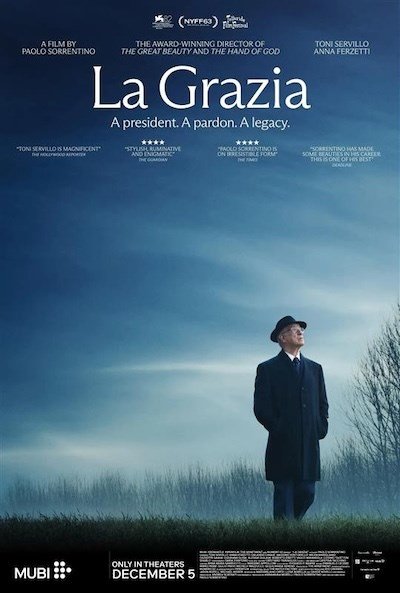
As we approach the finish lines of our lives, we often take time to reflect on how we’ve spent the years of our existence. It’s a process that allows us to take stock of who we are and how we’ve lived, and it frequently provides a means to help us make decisions about any remaining unfinished business we may have. However, such soul-searching may also leave us with more questions than answers at a time when we need such clarity most, the alternative being pervasive indecisiveness that can be crippling. Such are the quandaries faced by an aging Italian politician in the engaging comedy-drama-character study, “La Grazia” (“Grace”) (web site, trailer).
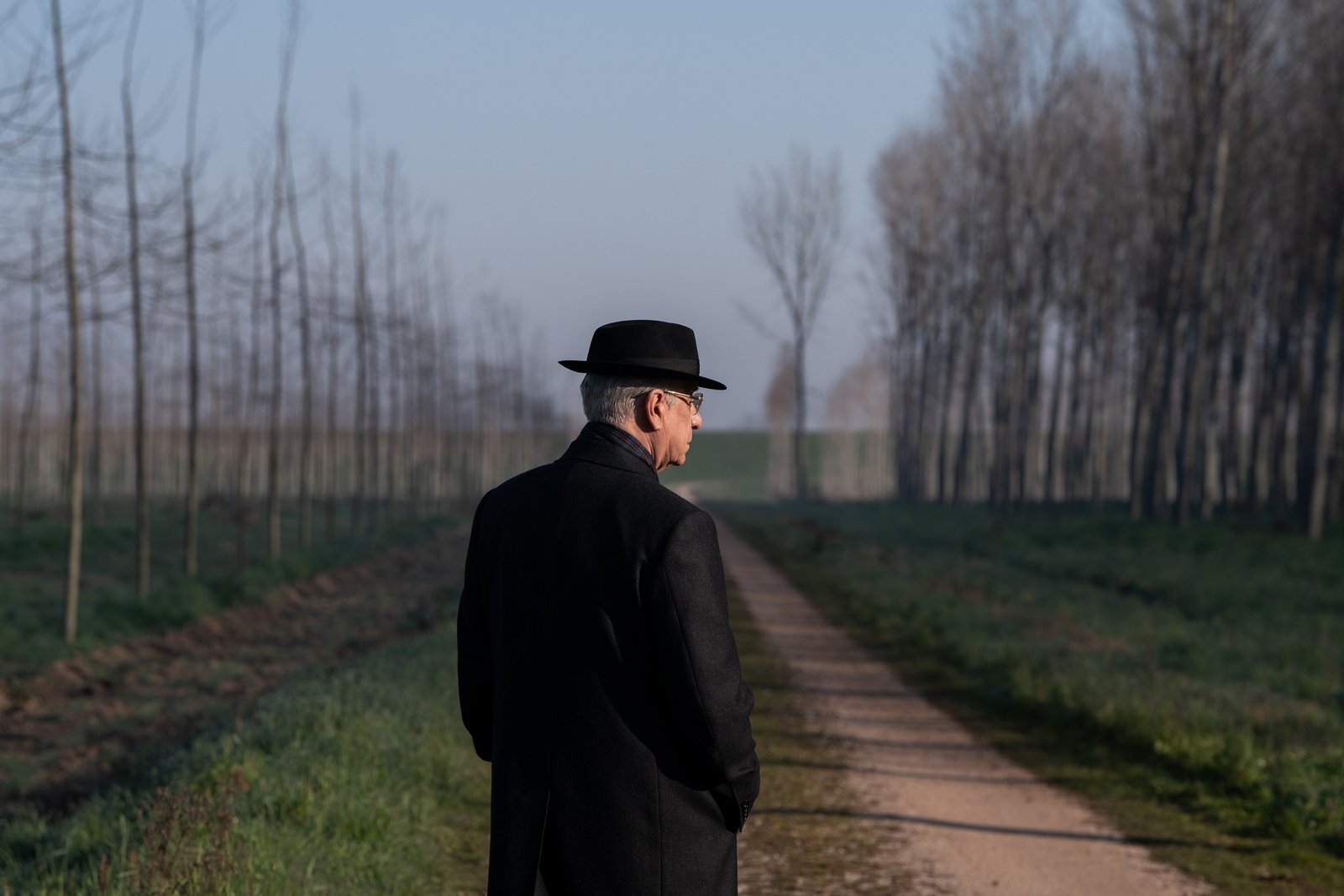
Presidente Mariano De Santis (Tony Servillo), a popular leader who’s nearing the end of his term, struggles to envision what his days will be like once he’s out of office in six months. Despite the ample respect and admiration he has earned as an accomplished jurist and head of state, he’s facing his final days with a palpable sense of dread and ennui, both politically and personally. As a widower who has been on his own for eight years and the father of two children he barely knows, he’s essentially lonely and not particularly looking forward to the assumed freedom that will come with retirement. In the meantime, these circumstances have left him largely disinterested in his official duties, unengaged in matters of state and all too willing to delegate many of those tasks to his staff, particularly his daughter and primary aide, Dorotea (Anna Ferzetti).
Instead, Mariano spends much of his time brooding, reflecting on his past, most notably memories of his late wife, Aurora (Giorgia Liguori), the love of his life. But those memories are persistently bittersweet, driven by an obsession with the betrayal she perpetrated against him 40 years earlier, when her younger self (Elisa Perolini) had an affair with an anonymous lover, an incident that broke his heart even though it did not lead to divorce. Nevertheless, the anguish that this episode caused him has left him largely unable to reach decisions on several key matters that he’s expected to resolve before leaving office, most notably the high-profile pardons of two convicted murderers (Linda Messerklinger, Vasco Mirandola) and the enactment or veto of a piece of proposed legislation legalizing euthanasia, a controversial topic in a country as Catholic as Italy.
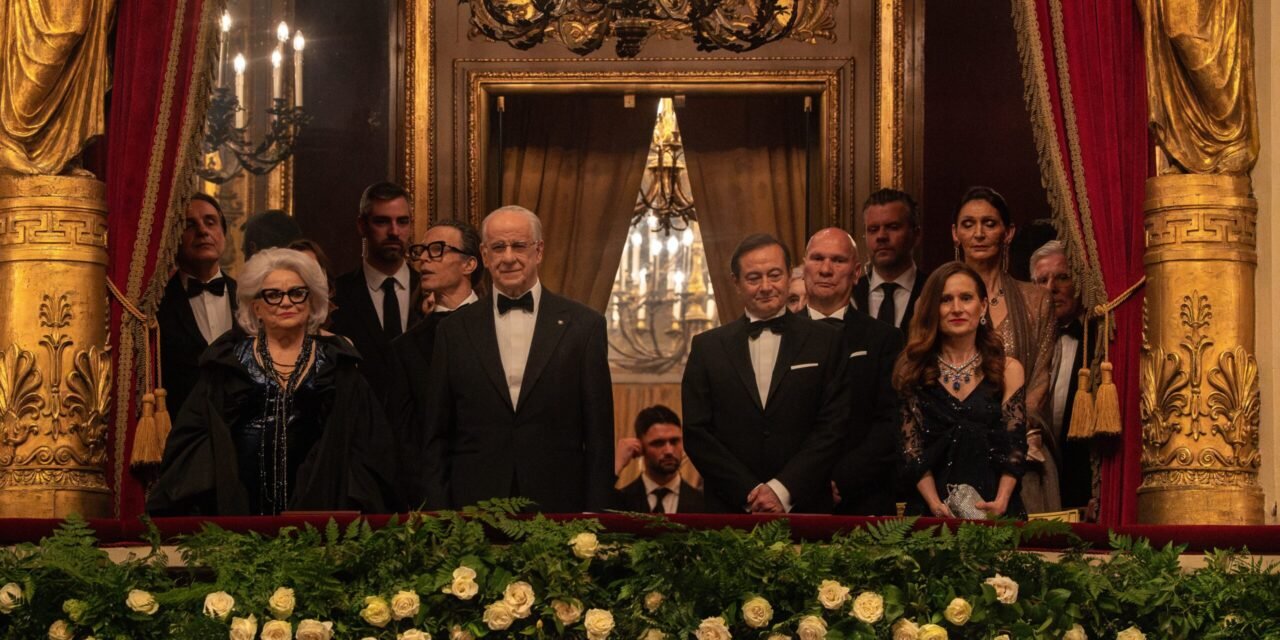
Consequently, the President spends much of his time in indecisive reflection. He frequently consults others for their advice and opinions, including his childhood friend Coco Valori (Milvia Marigliano), a flamboyant art critic whom he believes knows the name of the individual with whom Aurora had her affair; his longtime political colleague (and assumed successor as president), Ugo Romani (Massimo Venturiello), a loyal but somewhat dimwitted peer whom Mariano suspects was his wife’s paramour; his devoted military advisor, Lanfranco Mare (Giuseppe Gaiani); his daughter and political advisor Dorotea, who serves as both a sounding board and am unabashed critic, serving up legal opinions based on her sound experience as a fellow jurist and the quietly angry edginess of an aggrieved and often-ignored daughter; and the Pope (Rufin Doh Zeyenouin), an insightful, quirky African cleric who has a decidedly unusual way of sizing up situations and doling out advice, including the recommendations he provides to his good friend the President. These conversations range from profound to whimsical to heartfelt to contentious, providing Mariano with an array of perspectives from which to draw – provided he can bring himself to do so.
However, despite the challenges he has faced personally and while in office, Mariano has nevertheless somehow managed to land on his feet. It’s an asset that has served him well and has been responsible for the considerable goodwill he has built up with the public. What’s more, it’s something that could potentially prove valuable as he deliberates the crucial decisions he faces as his term winds down, as well as what to do for himself personally once out of office. It’s as if he’s living in a sublime, if largely unrecognized, state of la grazia (grace). So the key question that comes up for him is a simple one: is he capable of truly appreciating it and putting it to use?
Such is the dilemma that the President must resolve as he seeks to overcome a bout of paralyzing indecision, both for what he’s facing currently and for the time when he’s simply Mr. De Santis upon entering the next phase of his life. Of course, much depends on what he makes of his circumstances, particularly his beliefs. And that’s crucial given the role that they play in shaping the nature of his existence, the philosophy that makes this outcome possible. It’s unclear whether he’s ever heard of this school of thought, but, based on how he approaches the affairs of his political and personal life, it would seem unlikely given that he rarely appears certain about exactly what he believes. On one hand, this could suggest an open-mindedness that can prove beneficial to a politician and jurist. At the same time, though, it might also be symptomatic of cluelessness and indecisiveness, qualities that can make it fundamentally difficult to cope with one’s existence. Either way, considering what lies ahead, he would be wise to carefully assess these considerations and look for ways to put them to effective use if he hopes to truly get satisfaction and fulfillment out of what time he has left.
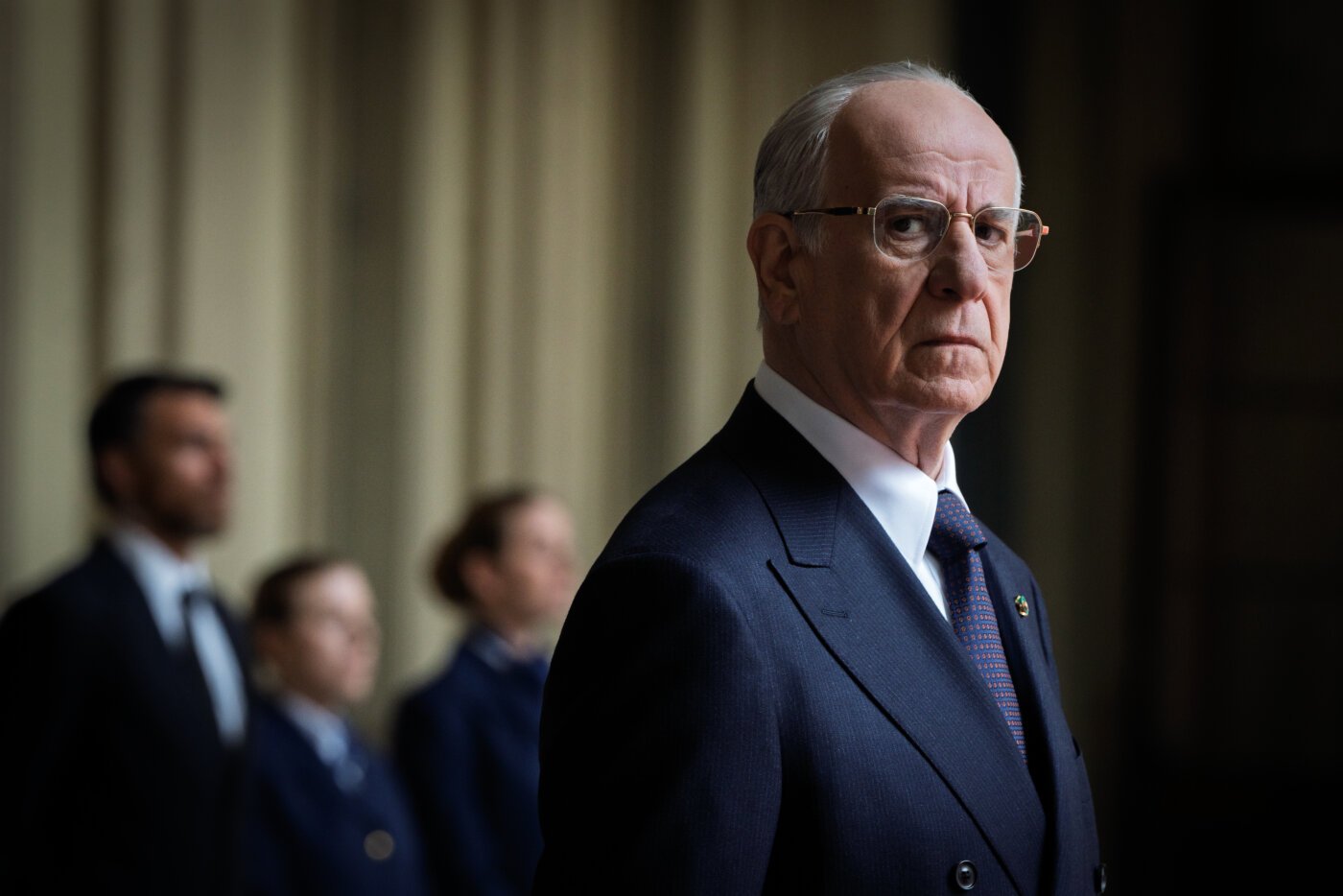
Mariano’s “difficulty” appears to rest with his inability to develop a firm grasp on what he believes. Some may find this hard to accept, and that’s an argument that has some merit. However, it may also be a result of his experience as a jurist. In ruling on cases before him, he has always endeavored to keep an open mind about what he is being told, without jumping to conclusions or allowing prejudices from interfering with his deliberation. Nevertheless, after years of employing this principle, it may have also left him with an inability to decide, his capacity to see both sides of an issue leaving him fundamentally indecisive. Indeed, in some ways, this could be seen as taking the principle of unconditional fairness to a fault.
At the same time, though, this capacity is rarely found in our mindsets, leaving many of us prone to snap judgments, undue criticism and blind spots that can cause us to overlook valid, meritorious contentions and legitimate arguments. And, in that regard, this can prove a valuable advantage to someone charged with making critical decisions.
But, now that the President is in a position where he needs to make crucial decisions, this outlook can also be a handicap, one that he’s unable to resolve. This accounts for his need to seek the advice of others, which is helpful in some ways but a detriment in others. His confidantes raise ideas that he may not have considered in formulating his beliefs. But some of them also speak from viewpoints that are more than a little tinged with attitudes that he may find unacceptable. Coco, for example, rarely hesitates to indulge some flippant notions that Mariano sees as colorful but inappropriate. Similarly, Dorotea sometimes allows the animosity that arose out of her upbringing to creep into her dealings with her dad, perspectives that might have the potential to shade her positions when it comes to advising on matters like the pending pardons and legislation. So the question arises, are these consultations ultimately helpful when it comes to helping Mariano decide on the nature of his beliefs and how to subsequently employ them?
Ultimately, the impact of this input can be more confounding than beneficial, which is why the President may be spending so much time in quiet reflection. While it’s true that some could perceive such behavior as indecisiveness, others, like the Pope, see it differently. Il Papa, for example, sees Mariano’s so-called brooding as evidence that his friend is actually living in and making use of a state of grace. In this context, the Pope suggests, Mariano is unconsciously immersed in la grazia, the free and abundant favor of the divine, a state of being that the recipient may not recognize or believe is deserved. Such grace is a gift (in this case, one of time) that provides Mariano the “space” to carefully assess how he should proceed in making his decisions. And, even though he may not see it as such, it’s actually a blessing for how to move forward.
While Mariano may sometimes see these circumstances as a curse – especially when he’s so frequently reminded of them as such by others – this is truly a gift, one that enables him to fairly and freely assess the situation at hand. And, considering the significance of the decisions he’s now facing professionally and personally as he ends one phase of his life and prepares for the next, he’s fortunate to have drawn this state of grace into his life, one that allows him to make decisions without feeling unduly crowded, despite the efforts of others to push him into conclusions that he’s not fully ready to draw. We should all hope that we have this at our disposal when we need it.
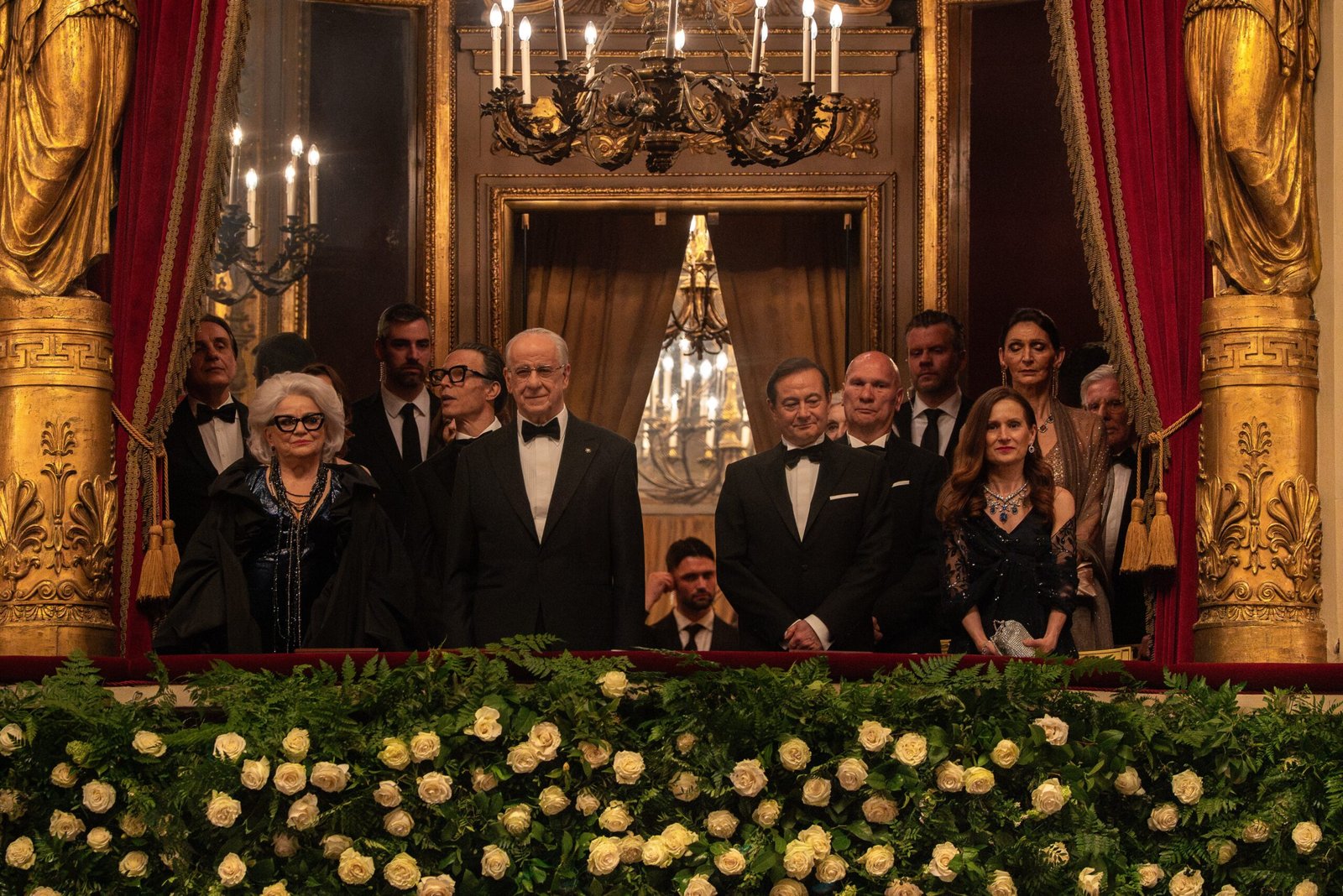
It’s a safe bet that this is something that many of us rarely, if ever, take the time to consider in our own lives. And, given the pressure-filled conditions under which someone like a president routinely must operate, it should become apparent how valuable it is to have this kind of grace available when it’s needed most. We would be wise to search for it and to attract it into our lives in such scenarios, especially when making the right decision is paramount.
As in many of his other films, writer-director Paolo Sorrentino has again knocked it out of the park, much as he did in pictures like “The Great Beauty” (“La grande bellazza”) (2013), “Youth” (2015) and “The Hand of God” (“È stata la mano di Dio”) (2021). In fact, a good case could be made for labeling “La Grazia” as his best work, an eloquent meditation on the nature of its namesake and a beautiful, nuanced, multilayered character study about a complex, vulnerable protagonist who shows that, no matter how intelligent and insightful one might seem, it’s still wholly probable to find oneself lost and searching were it not for the benefit of divine assistance.
This is all made possible here by Servillo’s stellar performance, an astutely written screenplay, gorgeous cinematography and an emotive original score. In fact, this offering has so much going for it that I find it hard to believe how it was inexplicably overlooked for consideration in the recently completed movie awards season, a release on par with and very much in the same vein as the Oscar-winning “Sentimental Value” (“Affeksjonsverdi”). Admittedly, the picture is a little stretched out in the final act, but, otherwise, it ably fires on all its other cylinders, bringing to life a story based in part on the lives of several recent Italian presidents. While this thoughtful release didn’t attract much attention in its brief theatrical run, it has nevertheless found a home online and is well worth a look, especially for anyone facing the challenges that come with aging, indecision and ambivalence and the search for divine grace that can help us find our way through these challenges.
In those times when we feel under the gun to make a decision quickly, it may be eminently helpful to draw upon the power of patience to arrive at the right conclusion. All too often, however, we may succumb to the pressures of haste and consequently fail to give ourselves the thoughtful deliberation that’s needed to arrive at the correct answer. That’s when la grazia can provide what we need to get things right. Let’s hope we have the wisdom to recognize that when the time comes.
A complete review is available by clicking here.
See Me at the Chicago Latino Film Festival

Anyone in, near or visiting Chicago between now and April 27 should look for me at the 42nd Chicago Latino Film Festival, taking place at the Landmark Century Centre Cinemas in the city’s Lincoln Park/Lakeview neighborhood. As a member of Chicago Indie Critics, I have an ambitious screening schedule of feature and short films slated, so I’ll be spending a lot of time in the dark. But, when not doing that, look for me in the theaters’ common areas or lounge (I’ll be the guy with the press corps credentials, my first time having been accorded this honor for this event). Reviews of the pictures I’ll be watching will appear on my web site’s Quick Cuts Page, followed by a full wrap-up blog at the end of the festival.
Enjoy the reviews, and enjoy the festival! Hope to see you there!
Breathing Life into a New Kind of Medicine
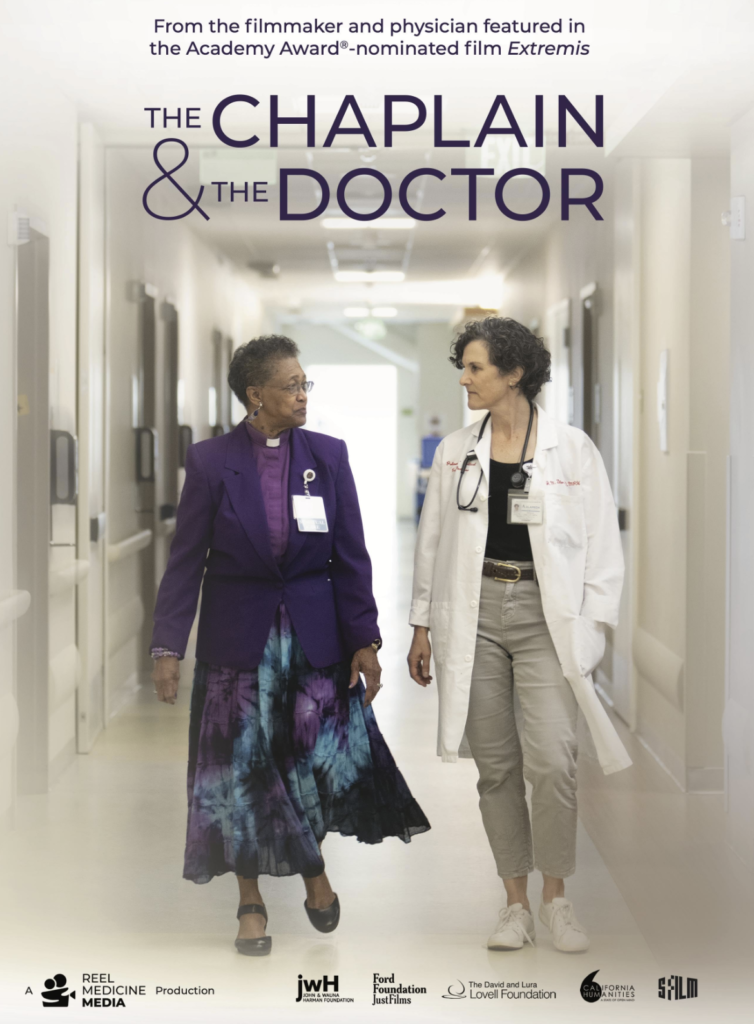
Social issues frequently provide considerable fodder for documentary features. especially when they address hot-button issues that are on the minds of many of us and have the potential to affect us significantly and personally. That’s very much the case when it comes to such subjects as the provision of compassionate, responsive, comprehensive health care and its impact on our daily lives and well-being. Fortunately, this topic is effectively and innovatively explored in a revealing new documentary, “The Chaplain & the Doctor” (web site, trailer).
With the failings of modern health care increasingly coming under intensified scrutiny and mounting criticism these days, a growing chorus of advocates has begun to emerge calling for better ways in treating patients, especially those struggling with severe, chronic illnesses and faced with challenging issues other than their health. Those afflicted with these debilitating conditions often face not only physical ailments, but also emotional ordeals and an array of frustrations in managing the logistics of everyday living, both for themselves, as well as their loved ones and dependents.
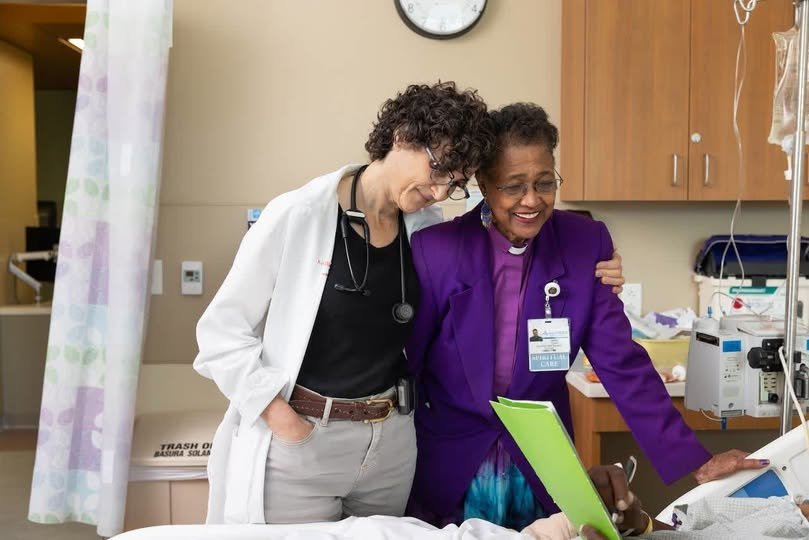
But how can these diverse considerations be effectively addressed? That’s where a team-based approach to health care comes into play, the kind examined in this new documentary feature from filmmaker and practicing physician Jessica Zitter. As a member of the palliative care program at Oakland’s Highland Hospital, Dr. Zitter has paired up with Chaplain Betty Clark to address the diverse needs of patients suffering from conditions like cancer, pulmonary illnesses, cardiovascular disorders and other chronic conditions that leave them challenged to care for themselves, their families and their everyday lives.
While some of these patients are in end of life care, others have hopeful prospects for long-term disease management and treatment, despite having many related considerations that require attention. And that’s where this dynamic duo steps in, with Chaplain Betty providing spiritual and emotional comfort and Dr. Jessica covering the medical aspects of patient care but with a compassionate approach often lacking among many health care practitioners. Together, this unlikely pair – an African-American descendant of slaves and a Canadian-born Jewish physician from a family of traditional, no-nonsense medical professionals – has brought this new approach to health care for over a decade, giving their patients comfort, guidance and support aimed at alleviating pain and suffering as much as possible while undergoing treatment, as illustrated through a number of patient case studies.
The film profiles this pair’s fierce devotion to their work, particularly their efforts aimed at overcoming shortcomings in areas like erroneous diagnostic assumptions, undue social and cultural prejudices, a lack of bedside manner, and failures in addressing considerations beyond health-related issues, matters effectively addressed with the capable assistance of a team of compassionate hospital social workers. The picture also explores some of the personal challenges faced by the two protagonists, both from their respective pasts and in their current lives, providing a balanced look at the personal demands that often accompany this kind of professional commitment.
Despite the thoroughness employed in these foregoing areas, this offering is nevertheless a little thin at times on the nature of palliative care, namely, the principles, protocols and practices involved in it, how this form of health care came into being, how widespread it is today, how patients can find access to it, and so forth. More detail in these areas would have made for a stronger narrative, providing a foundational backdrop for those at the forefront of this story.
What’s most important, though, is the film’s ability to show that there are better options open to patients requiring health care, especially for the kinds of conditions depicted here. In fact, as Chaplain Betty astutely observes at one point, it’s the kind of health care that we should all be willing to speak up about and demand for ourselves, if for no other reason than the fact that we deserve it. The film has primarily been playing the film festival circuit up until this point, but it is ready to go into limited theatrical distribution shortly.
Copyright © 2026, by Brent Marchant. All rights reserved.