
Revelations on Multiple Levels
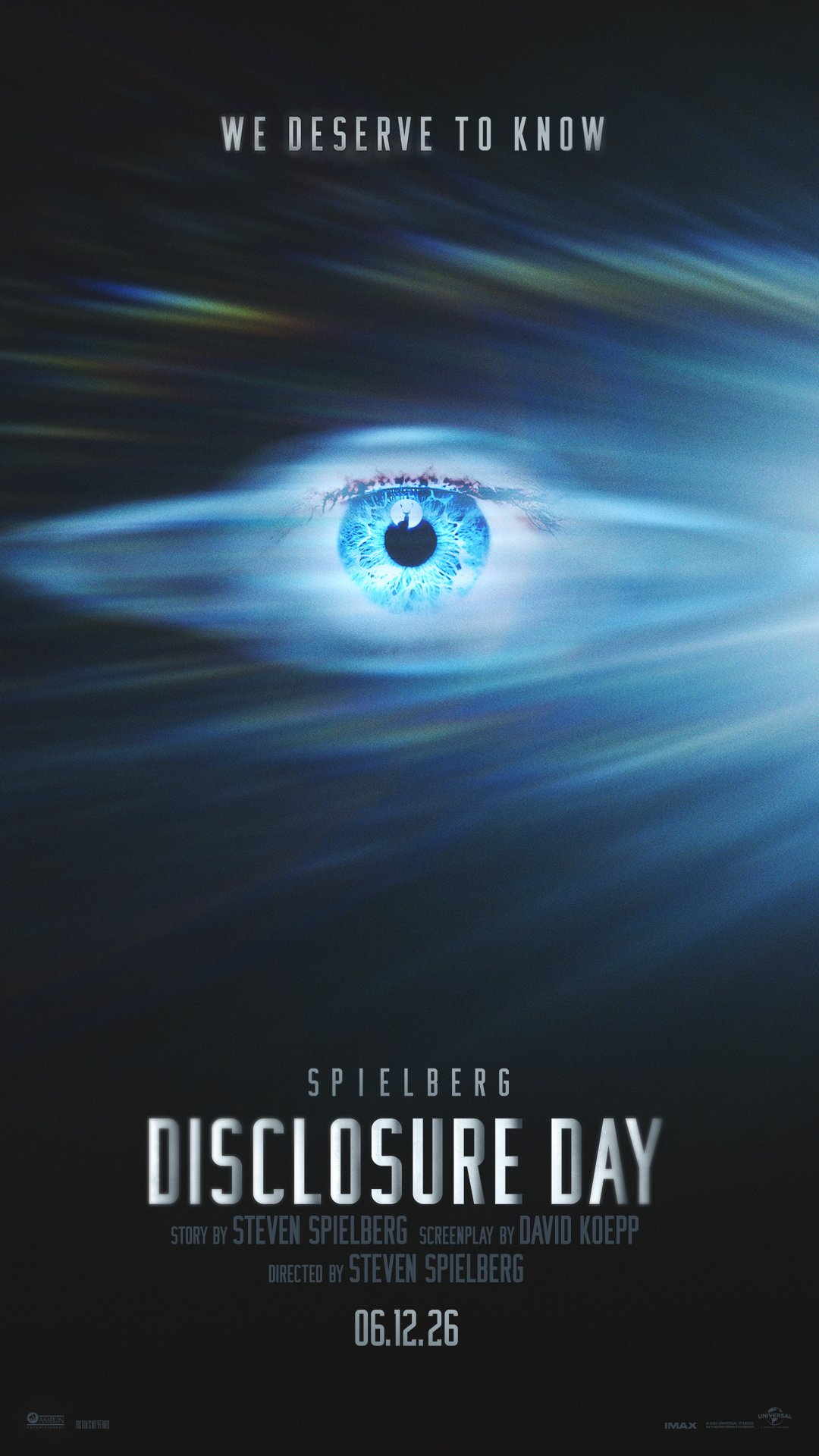
“Disclosure” can be an awfully loaded word, one that carries connotations on multiple levels, both big and small, but nearly always with personally meaningful ramifications. However, sometimes those implications may be so subtle that they’re not easy to spot, grasp or understand, even though that does not diminish their importance. It’s also interesting to note how they’re frequently revealed simultaneously, heightening their impact, especially if they’re considered in tandem with one another, a circumstance that may be hard to ignore. Such are the dynamics at work in the latest offering from iconic filmmaker Steven Spielberg, “Disclosure Day,” handily the director’s best picture in years (web site, trailer).
This sci-fi/conspiracy theory/personal discovery thriller sports a multifaceted narrative that might be seen as too complex to detail without running the risk of disclosing an array of spoilers, a practice I endeavor to avoid as much as possible in my writings. But that lack of foreknowledge is likely to be beneficial to viewers who walk into the theater knowing little, if anything, about the film in advance. In fact, I’d actually recommend approaching this offering from that standpoint to allow it to wash over viewers organically, enabling an experience where one can wrap oneself up in the sense of awe and wonder it evokes without the hindrance of too many preconceptions. To be perfectly honest, it’s virtually impossible to conceal the fact that the film deals with exposing the longstanding UFO and extraterrestrial presence coverups that are believed to have been ongoing for nearly 80 years. But, in all truthfulness, it’s more – much, much more – than that. That’s particularly true with regard to the fundamental approach it uses to examine the subject of disclosures – revelations of many kinds, including those of a highly personal and spiritual nature. This combination of elements thus adds depth to what might have otherwise been merely a conventional and monodimensional work of science fiction, thereby imbuing the picture’s content – and even its very title – with multiple meanings on myriad levels. Indeed, it’s not just another movie about space aliens.
The aforementioned disclosures emerge from the film’s myriad story threads, which start out seemingly disparate and unrelated, much like the storytelling approach the filmmaker used at the outset of his earlier work, “Close Encounters of the Third Kind” (1977). But, as this picture unfolds, connections develop among this film’s various story arcs, showing how they all ultimately converge and coalesce, just like they ultimately did in its predecessor picture. Viewers should note, however, that, despite the similarity in storytelling methodology employed here, that’s where the resemblance ends. This is a different story, with different characters, different themes, different events and different messages, that just happens to present them following a familiar formula (and one that works here as well as before). In that sense, then, audience members shouldn’t think of this an updated remake or even a sequel but more as a continuation of the subject matter’s mythology, only this time with additional elements that bring the story down to a more personal level, an intimacy that could be seen as being a little closer to home.
Without giving away too much, the principal story threads that run through the picture include the following:
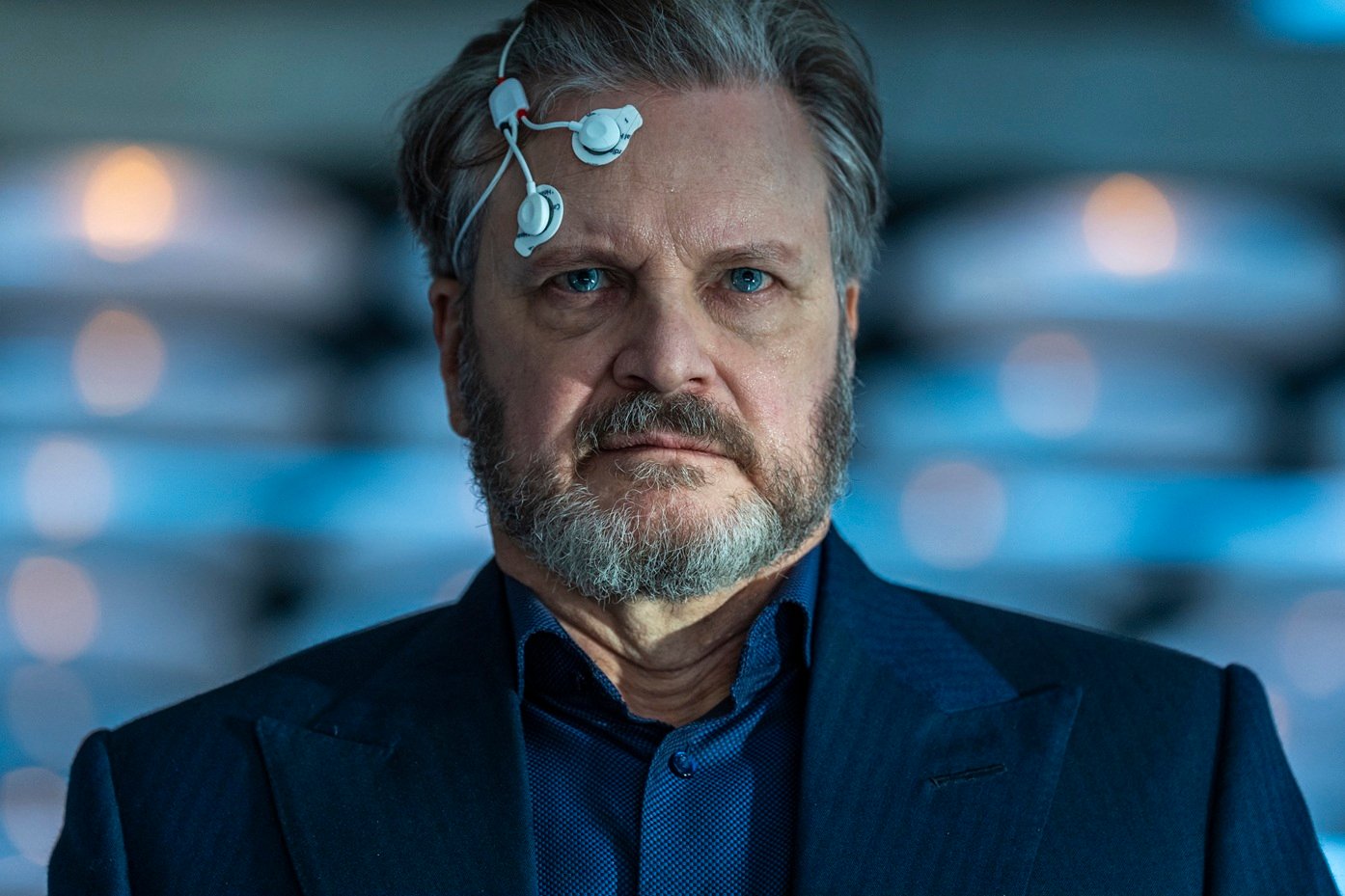
- To help government authorities deflect attention away from themselves regarding the UFO/extraterrestrial question, they outsource many of the resources associated with it to the super-secret Wardex Corp. The contractor helps to conceal these assets and back-engineer alien technology for developing new weapons, prototype aircraft and other dubious devices. Heading Wardex’s operations is Noah Scanlon (Colin Firth), a cut-throat corporate shark who brings new meaning to the word “villain.”
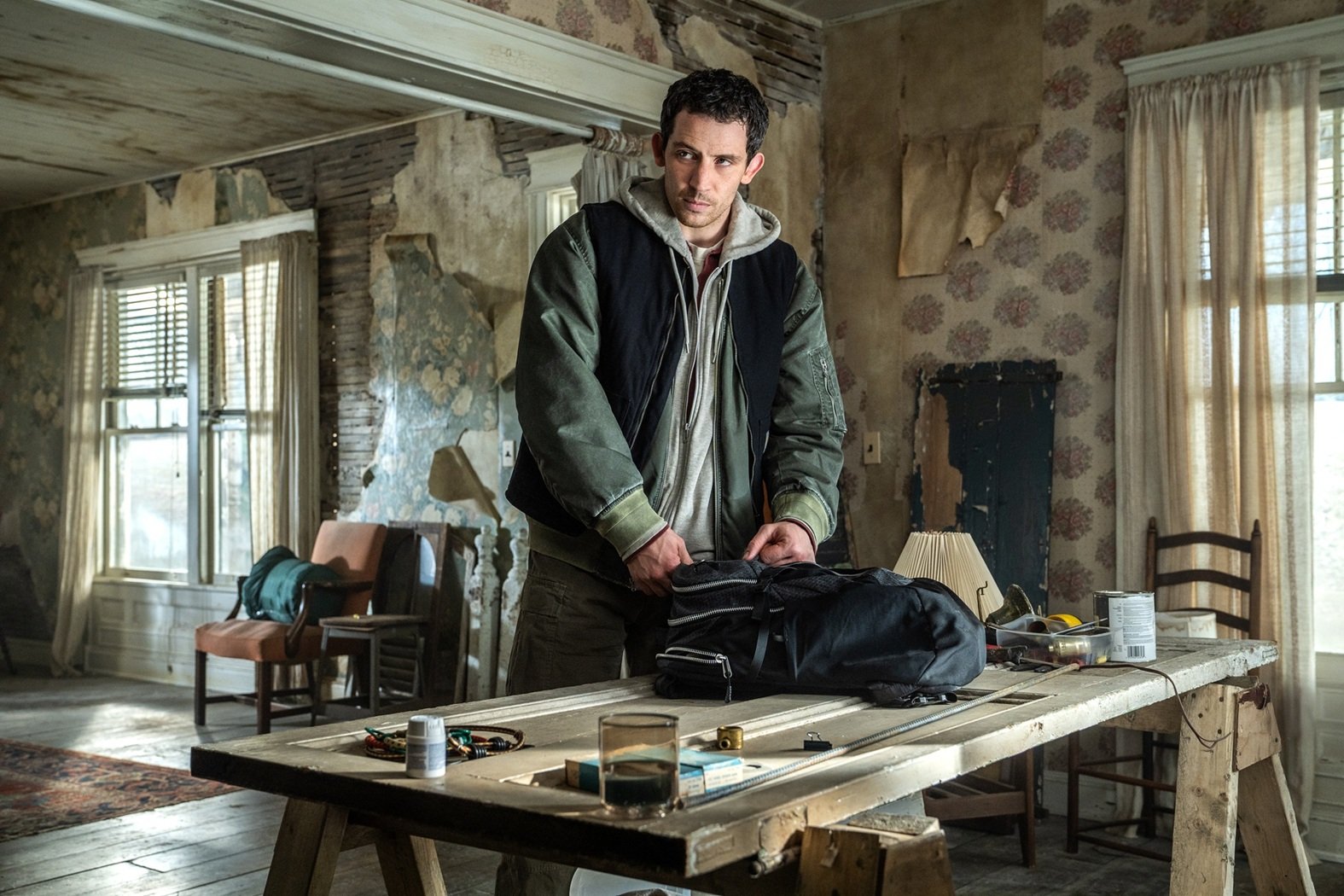
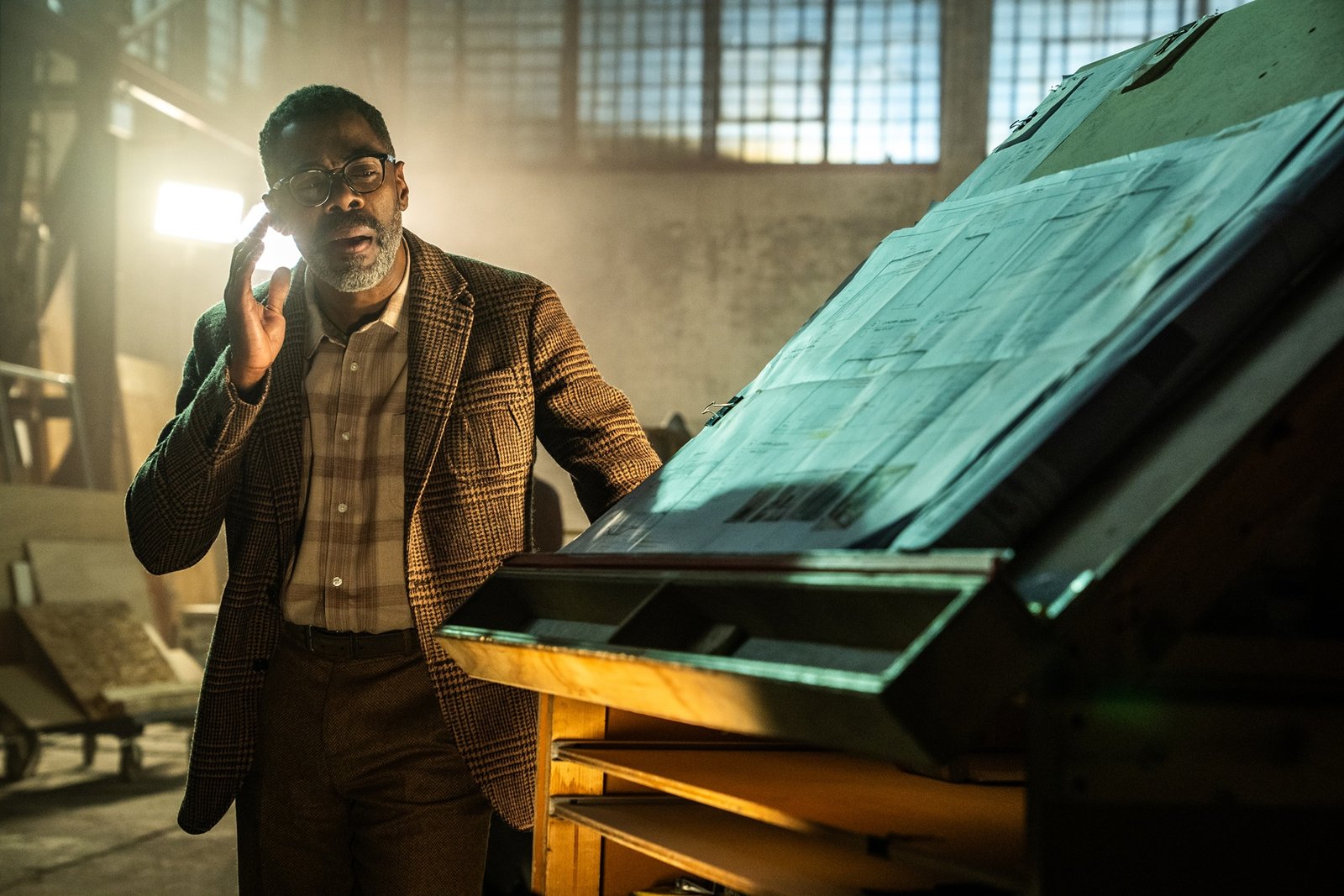
- Given the nature of Wardex’s operations through the years, a number of high-ranking employees have grown discontent with its coverup tactics. They believe the public deserves the right to know the truth about what’s going on under the radar. They’ve thus clandestinely united to become whistleblowers under the direction of Dr. Daniel Kellner (Josh O’Connor) and Hugo Wakefield (Colman Domingo), an initiative hounded by dogged surveillance and plagued by ever-growing peril.
- After considerable soul-searching, monastic novice Jane Blankenship (Eve Hewson) abandons her once-devoted calling to pursue answers to profound questions that religion wasn’t providing her. She still consults a former convent colleague, Sister Maura (Elizabeth Marvel), for guidance, but she also branches out to explore new relationships with others, one of whom just happens to be Dr. Daniel Kellner. Little does she know what she’s getting herself into.
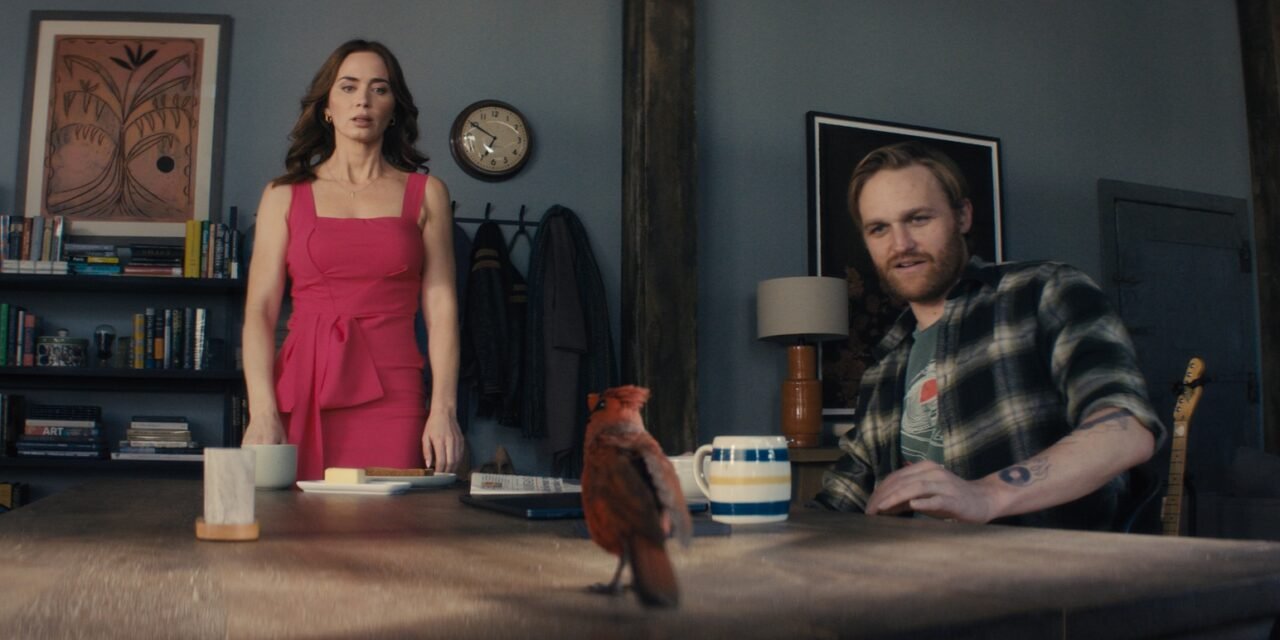
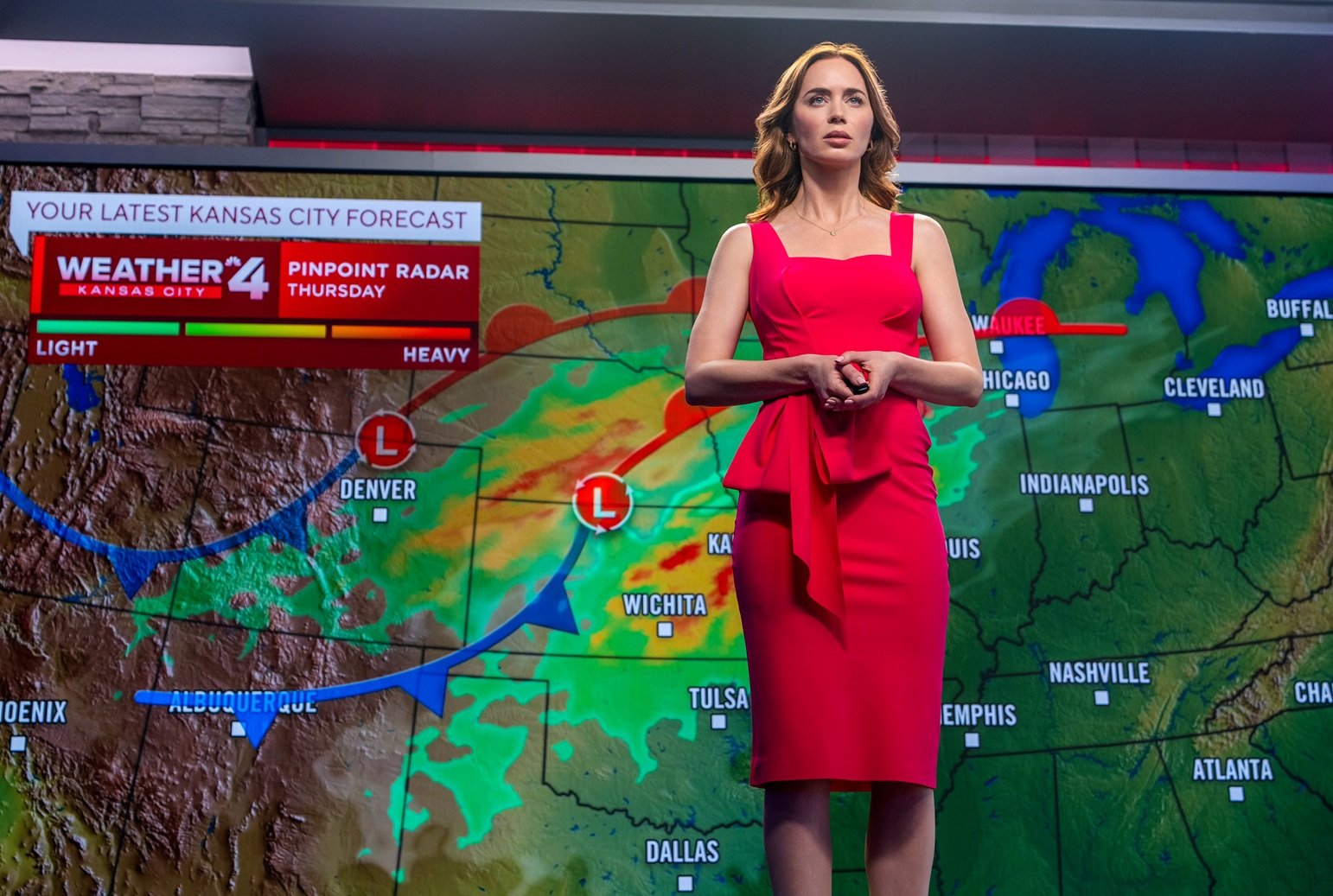
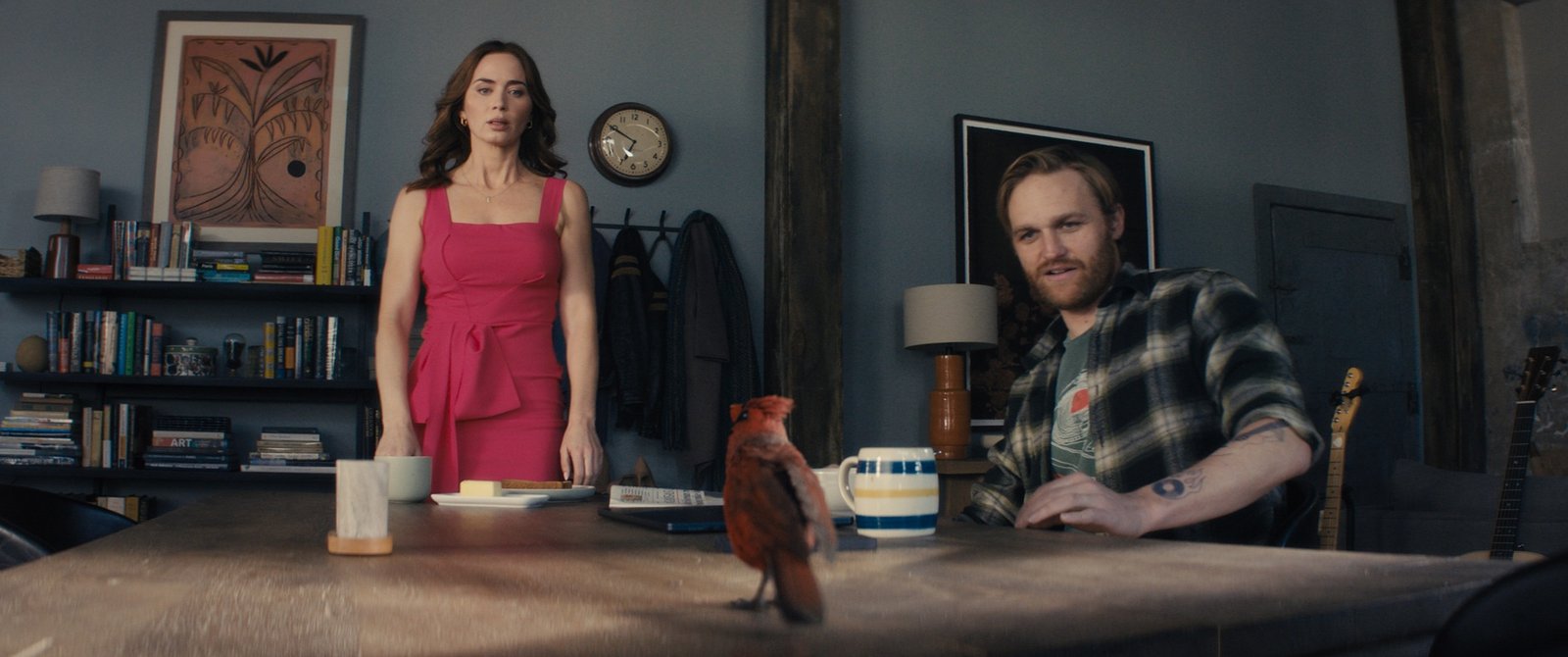
- Kansas City TV weather girl Margaret Fairchild (Emily Blunt) has achieved a certain level of notoriety in her work, but she’s restless and unsatisfied, desperately seeking to discover where she truly belongs. She thinks this may involve getting a job in another city, but being “where she’s supposed to be” may involve something more profound, an endeavor that her live-in boyfriend, Jackson (Wyatt Russell) doesn’t understand. She’s also troubled by unsettling ghosts of her past that have dogged her for years. But all of that is nothing compared to what transpires when she spontaneously begins developing inexplicable abilities, such as psychic skills, a capacity for foreign languages she never spoke before, assorted visions and rash urges to pursue intuitive impulses that appear to defy logic. And, when she’s at the center of a bizarre on-air incident, all bets are off.
- And, as all of these other story threads unfold, the world at large appears to be approaching the brink of war. The escalation of global tensions seems to have everyone on edge. Will this spill over into the outbreak of open hostility?
Needless to say, there’s a lot behind the conundrums posed by these various scenarios, situations ripe for the disclosure of hidden secrets on multiple levels, both big and small. They each carry significant consequences in themselves, so one can only imagine what will happen when they all come together simultaneously. That combination carries the potential for completely changing the worlds of these individuals, not to mention for the rest of us.
The power of disclosure can change the world drastically in many ways. That’s because such revelations contain information that can alter our thinking, views and perceptions – essential elements that go into the formation of our beliefs. And that’s crucial to recognize given the power of our beliefs to shape the nature of our reality, an outcome made possible by the conscious creation process, the philosophy that dictates the nature of such outcomes. It’s unclear whether any of these characters have ever heard of this school of thought, but, considering what’s at stake here – and how drastically conditions may become reshaped by such disclosures – it’s hard to fathom that they could ignore it once sweeping changes start falling into place. What will they do then? Can they keep up? And what would we do if faced with comparable circumstances?
Imagine what it would be like to wake up one morning and find out that disclosure of the kind sought by the whistleblowers in this film had come to pass in our own world. How would such news make you feel? What would it now prompt you to believe and, by extension, how it would affect the character of your world and the nature of your existence? It’s probably a pretty safe bet that it would be significantly different, forever changed from what came before. The impact might not be noticed immediately, but it would certainly launch us on a new trajectory that would affect virtually all of our thoughts and what emerges from them. And, if that doesn’t reflect the power of what disclosure can do, I don’t know what will.
The most apparent changes would likely be those of a tangible nature – new technologies, the appearance of new beings, and whatever physical, cultural and scientific attributes characterize them. Those changes would be hard to ignore once they appear within our reality. What’s more, our interaction with them would alter conditions further. New friendships could develop. New joint activities between us and them might arise. And travel to new worlds and perhaps new dimensions may become commonplace, resulting in new perceptions of and beliefs about our existence. Again, if that doesn’t reflect the power of what disclosure can do, I don’t know what will.
However, the magnitude of these shifts is just the beginning. Alterations to the external trappings of our existence could very well be significant, but think about what other changes they might prompt – and what will arise once disclosed. This is an important – and, sadly, frequently overlooked – aspect of this film. The changes around us could indeed be formidable, but they could easily pale in comparison to the new developments that occur within us. And, once they surface, they might blow the lid off what we believe about ourselves and our reality.
Some of us may already be sensing the emergence of circumstances like these. This becomes apparent in the film, for example, through the experiences of several characters. Margaret and Daniel, for instance, offer powerful evidence of these changes. The appearance of Margaret’s new psychic and language capabilities exemplify this clearly and play a major role in her ongoing quest to discover “where she belongs.” Her experience thus reveals that our assumed destination may not, in fact, involve a place but a mindset and a collection of skills that help to define our destiny and give our lives purpose.
Such is also the case with Daniel. His drive to expose the truth is more than just a personal obsession; it’s about his desire to bring much-needed change to a world through the exposure of long-hidden secrets that, once disclosed, have the power to revolutionize the planet. Indeed, imagine, for example, if the power of such disclosure were so great and so captivating that it could summarily trump news headlines about incidents as formidable as the possible outbreak of World War III.
In both of these cases, disclosure is brought down to a highly personal level, affecting us on an unmatched level of intimacy. Disclosure in this regard may not come across as flashy as the revelation of an extraterrestrial presence (particularly in its cinematic depiction), but its power and impact are just as great. Such cerebral changes may not seemingly be prompted directly by the alien disclosure effort, but it could serve as a pretext that incites the emergence of comparable disclosure parallels, thematically symbolic reflections of the power of what disclosure can do, even if in a different context. Beliefs change as a consequence, and those new intents may, in turn, yield a host of significant new developments.
As the film illustrates, one area in which the greatest, most intimate shifts could occur involves religion and spirituality, concepts whose very foundations are built on beliefs. It is also an aspect of life about which those in officialdom are said to have long been most concerned – that the revelation of an alien presence could lead to widespread social, spiritual, civil and scientific chaos, brought about by an awareness of something many of us would be unable to accept. Fear of a sweeping inability to reconcile established dogma with such seemingly radical notions has supposedly been the rationale behind keeping a lid on this news all these years.
But, as evidence of the alien presence has trickled out over time, views have begun to change, perhaps not in a wholesale manner but certainly not to the degree long feared. It has helped prompt a search for answers that conventional religion has been unable to provide. And the lingering doubts that have arisen as a consequence could well help to explain the change of heart experienced by individuals like Jane. She may not be locked into the ET theory as the driving force behind giving up her calling, but she’s nevertheless committed to finding the answers she seeks through different channels from which she’s accustomed. And how coincidental it is that she’s used her beliefs (even if unconsciously) to draw someone like Daniel into her life at a time like this. Imagine what additional changes in beliefs might be wrought in this regard if disclosure were to kick in.
Despite Jane’s new spiritual explorations, however, it’s curious how she also continues to tap into the wisdom of Sister Maura. It’s as if she has one foot in each camp. But that, in itself, carries implications that others may not have previously considered, namely, that it’s possible these ideas are not necessarily mutually exclusive. And this conceivably represents a new set of beliefs that weren’t previously examined. Indeed, in this case, one might even contend that disclosure could potentially work miracles.
If all of these different examples of disclosure and the beliefs they’re capable of spawning aren’t enough to convince you of the power at work here, I can’t think of what might convince you otherwise. And that goes for the power of this film, too, which, regrettably, has been unfairly criticized in many circles. Some have called this offering’s multifaceted storytelling meandering, improbable and unrealistic. But many of us have undoubtedly seen scenarios like this in our own lives, and, when that occurs, it doesn’t seem nearly so farfetched (so why should it be any different here?). To be sure, “Disclosure Day” is a complex, detailed picture that requires proper attention when screening it. It’s not a film one can glance at casually when not scrolling through the latest social media feeds on a cell phone (something that shouldn’t even be turned on in the theater to begin with). A close, committed watch will reveal much, most notably a palette of inspiring, meaningful insights. But, if you’re unable or unwilling to do this for a film with a 2:25:00 runtime, you might want to skip this one (but that would be your loss).
Director Steven Spielberg’s filmography is legendary, to say the least. Movies like “Jaws” (1975), “Close Encounters of the Third Kind” (1977), “Raiders of the Lost Ark” (1981), “E.T.: The Extraterrestrial” (1982), “Schindler’s List” (1993) and “Jurassic Park” (1993) have gone down as classics in the annals of filmmaking. And, even though some of his works in more recent years haven’t quite lived up to the quality of past efforts, it’s comforting to know that he’s still got what it takes when he gets behind the camera. This is where his latest release comes into play, easily his best picture in years.
Without a doubt, Spielberg is back at the top of his game here, telling a story with the same skill and meticulous filmmaking approach he has employed in so many other releases over the years, particularly in such areas as depicting a compelling plot, building suspense, executing gripping action sequences and providing appropriately timed comic relief. He also incorporates a comprehensive palette of ufology-related topics, some of which are well known and others of which are more obscure (references that fans of Coast to Coast AM radio and The X-Files TV series will surely appreciate), but all of which are sufficiently explained without requiring ample viewer foreknowledge. And Spielberg has a lot of help bringing all this into being thanks to the insightful screenplay of David Koepp, the original score of composer John Williams (arguably his most mature work ever), and the superb performances of Blunt, O’Connor, Firth, Domingo, Hewson, Russell and Marvel. I heartily recommend watching this on as large a screen as possible (e.g., IMAX) for maximum effect.
“Disclosure Day” is about as nearly a perfect piece of filmmaking as one can envision, so please pay no heed to the trolls voicing their uninformed opinions in trying to inexplicably tear this one down. In fact, if I had to register a complaint of any kind here, it might be that the final act could be seen as being a little stretched out, but that’s such a minor criticism that it’s hardly worth mentioning. Savor all of the various forms of disclosure being served up in this release, as you may end up drawing upon them to discover aspects about yourself that you never knew before – and enabling you to walk out of the theater at the end a different person than who you were when you went in and into a different world than what you knew before. Indeed, there’s that power of disclosure at work again.
A complete review is available by clicking here.
Parents Will Be Parents
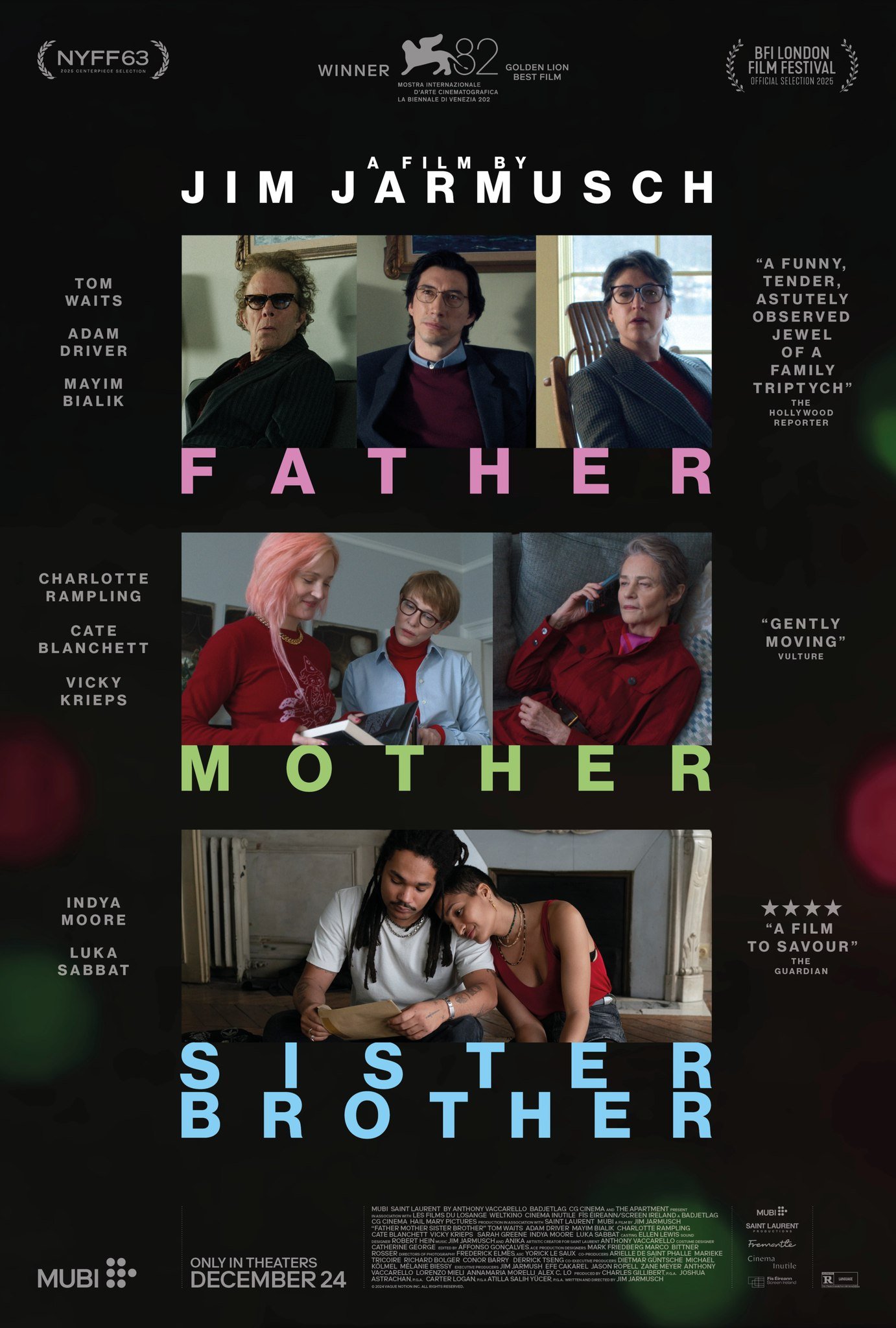
Try as I might, there are some filmmakers whose work I often find difficult to appreciate. Their movies just seem to be … lacking something. But, every so often, these auteurs surprise me, coming up with pictures that I find enjoyable, engaging or even enlightening. And that’s how I would characterize the latest work from writer-director Jim Jarmusch, the quirky, gentle comedy-drama, “Father Mother Sister Brother” (web site, trailer).
Little generally occurs in this filmmaker’s offerings, arguably making them the epitome of minimalist cinema. Consequently, a number of his efforts, frankly, have left me cold and uninvolved, no matter how much of a chance I try to give them. However, there are also times when the director somehow successfully manages to make something out of virtually nothing, as he quite capably does in this release.
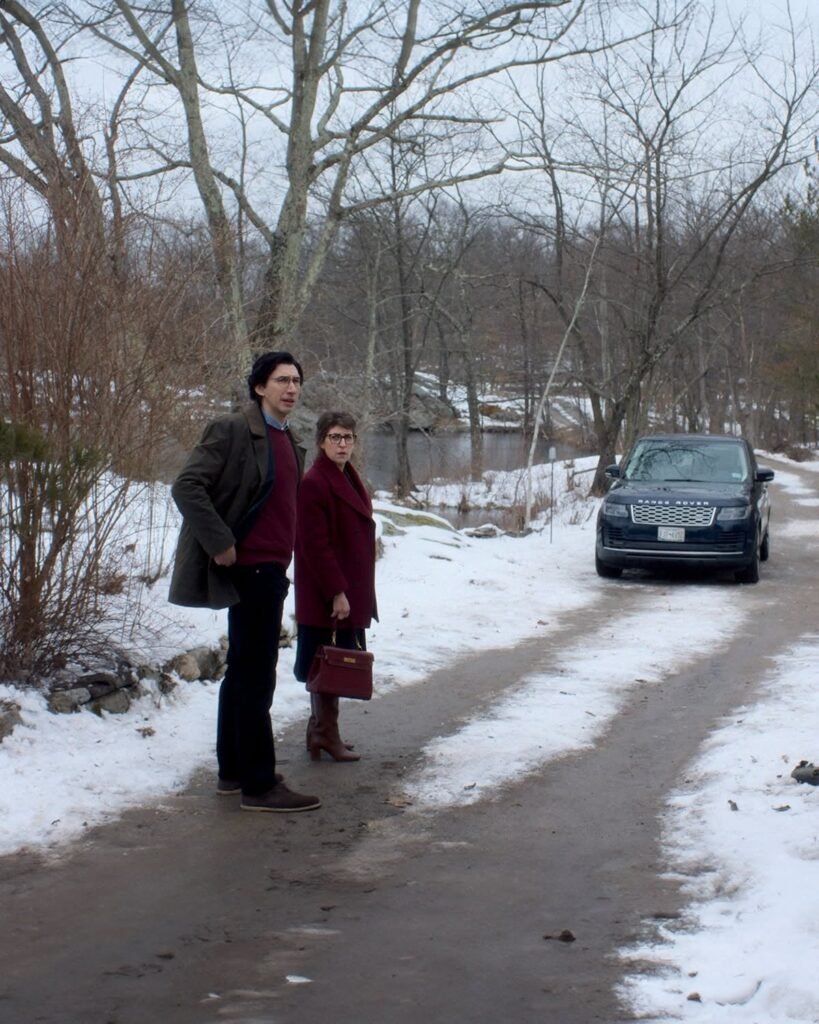
“Father Mother Sister Brother,” available for streaming on multiple platforms, essentially consists of three unrelated but complementary vignettes about the dysfunctional but puzzlingly endearing relationships between adult children and their emotionally and/or corporeally distant parents. In the first segment, titled “Father,” the long-estranged adult children (Adam Driver, Mayim Bialik) of a crusty, easily confused, aging dad (Tom Waits) pay an uneasy visit to his idyllic rural New Jersey home. Their polite but strained reunion at his cluttered, disheveled house causes them considerable concern. However, little do they know that appearances can be deceiving, especially when a quietly crafty senior is involved.
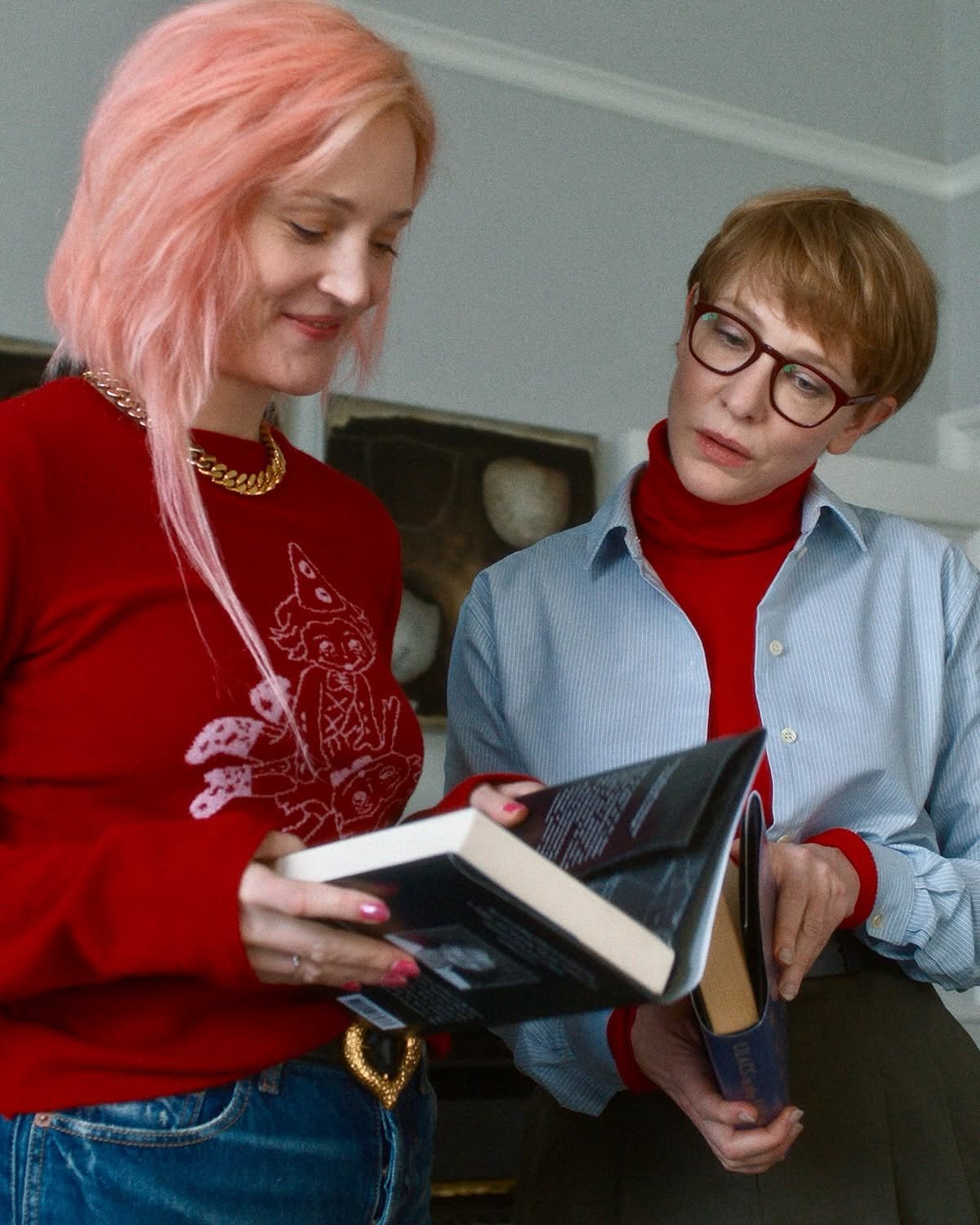
This is followed by “Mother,” which depicts the annual visit of two sisters (Cate Blanchett, Vicky Krieps) to the home of their quietly judgmental widowed mother (Charlotte Rampling), a well-off best-selling author, for high tea. Although all three of them live in Dublin, for some reason, they only see each other once a year for this awkward annual event. And, as this decidedly uncomfortable gathering plays out, viewers are just as likely as the host’s guests to want to beat it out of there as quickly as possible.
Rounding out this triptych is “Brother Sister,” which follows twin siblings (Indya Moore, Luka Sabbat) on a nostalgic visit to the vacated Paris apartment of their deceased parents, both of whom were killed in a private plane crash in the Azores. While the now-orphaned kids seem to have been on good terms with mom and dad, it’s also apparent that there’s much about them that they didn’t know while they were still alive. It’s not until they sort through some revealing and highly personal belongings that surprising secrets surface. This is obviously the most “distanced” relationship of the three presented in the film, but, in many ways, this is also the saddest yet, simultaneously, most heartwarming of the vignettes.

True to the director’s form, not a lot happens in this picture, but, given the nature of three narratives featured here, there’s an uncanny sense of intimacy (albeit uncomfortably so) on display – quite an ironic feat for a picture in which viewers don’t really get to know any of the characters particularly well. In part that’s due to a number of overlapping elements (some of which are very specific in nature) that run through all three sequences, effectively illustrating the commonality (or perhaps universality) that’s intrinsic to relationships like these, something to which many of us can probably personally relate. Meticulous attention is paid to the recurring incorporation of such attributes as set design, prop use, camera work, thematic vectors, and even the curious use of everyday colloquialisms (British ones at that). It’s a demonstrably thoughtful practice that serves to compellingly draw viewers into the stories, as if they were themselves present as these events actually unfold. Indeed, there’s an intangible quality to all of this that’s unmistakably captivating, something unexpected from a film in which so inherently little is going on but that nevertheless feels so undeniably full and familiar.
In many ways, “Father Mother Sister Brother” is the filmmaker’s best work in over a decade, on par with such releases as “Paterson” (2016) and “Only Lovers Left Alive” (2013) (and a far cry from some of his more recent cinematic experiments that didn’t fly). Moviegoers who have little patience for what they watch, admittedly, could find this work tedious and insubstantial. But those who like movies that feel like a good book will probably enjoy this one immensely. And, to sum up, as many of the characters in this offering would likely say, “And Bob’s your uncle!”
Creating Harmony From Imperfection
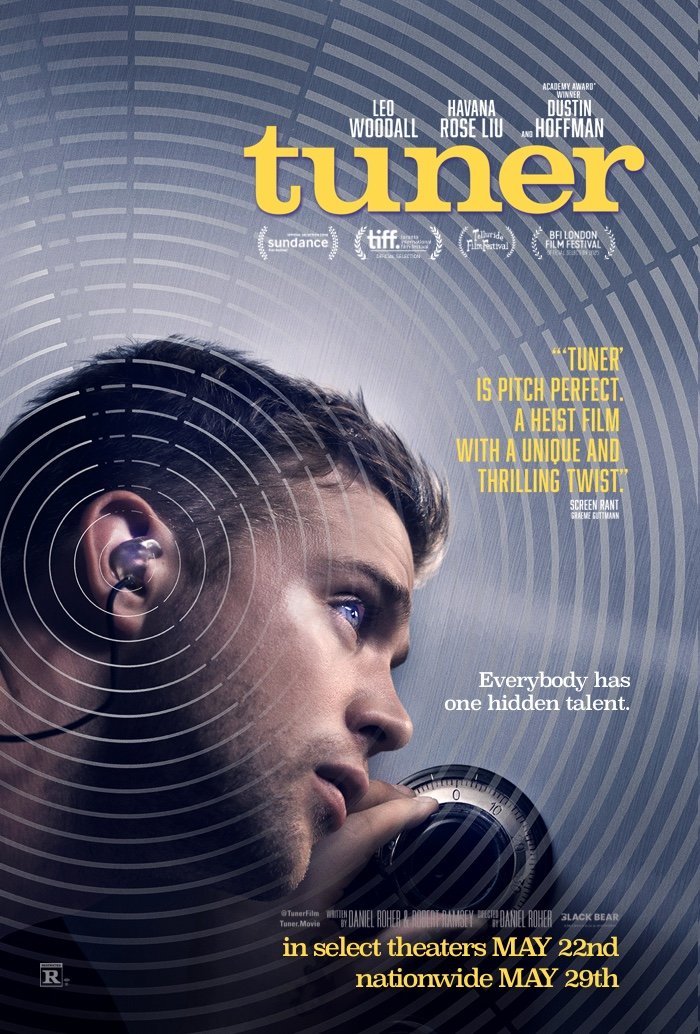
It’s often been observed that “order comes out of chaos,” a notion that might seem counterintuitive but frequently rings true. It’s also something that can be seen in a variety of contexts, with corollaries all their own tailored to the area of endeavor in question. In the world of music, this idea can be applied to the tuning of instruments – specifically pianos – wherein it’s been said that “harmony can arise out of imperfection,” a principle that, ironically, can also be applied to each of us as well. And such is the case in the gripping new crime thriller/romance, “Tuner” (web site, trailer).
New Yorker Niki White (Leo Woodall) isn’t living the life that he thought was ahead of him. The prodigy piano virtuoso’s career was derailed in childhood when he was afflicted by a rare but serious hearing impairment that made him sensitive and susceptible to the effects of loud noises, effectively sidelining his performance capabilities. So what was he supposed to do when he eventually grew up?
Over time, while learning how to manage his condition, he discovers that he can tolerate soft sounds. In fact, he’s so adept at this, that he can hear minor tonal differences in the individual notes produced by pianos, making him an ideal candidate for becoming a piano tuner (his sense of perfect pitch no doubt helped, too). He thus takes a job as an apprentice piano tuner with a seasoned veteran in the field, Harry Horowitz (Dustin Hoffman), an eccentric legend in musical circles well known to many prominent performers in different musical genres. Together they tune the pianos of mostly wealthy clients, individuals whose instruments are more decorative than functional in their high-end homes and who don’t fully appreciate Niki’s expertise.
Outside of work, Niki and Harry become good friends. In fact, Harry and his wife, Marla (Tovah Feldshuh), become like surrogate parents to their young friend. And the support and consideration they show him extends beyond helping him become a proficient piano tuner. Harry in particular encourages Niki to return to performing, that his hearing impairment need not become a crippling, career-ending condition. Harry believes that Niki’s reluctance to get behind a keyboard again is depriving the world of hearing the talents of a gifted individual. But Niki remains skittishly steadfast, refusing to perform again, even in the privacy of Harry’s sole company.
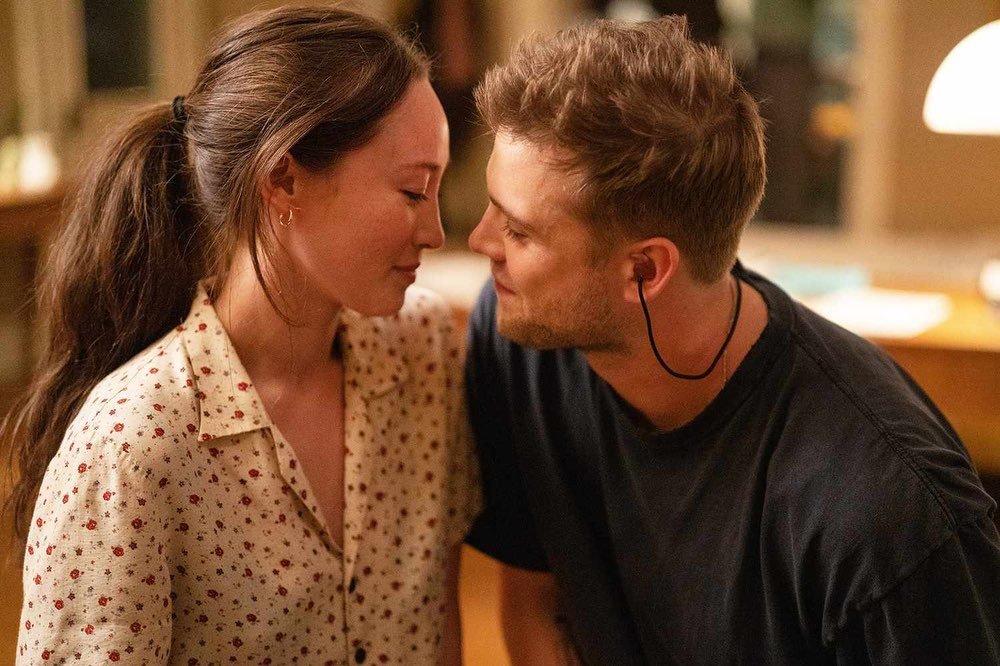
Not long thereafter, Niki’s life takes a drastic turn that changes his life and shifts his priorities. While tuning a piano at a local conservatory, he meets and befriends a gifted composition major, Ruthie (Havana Rose Liu), who’s preparing for a potentially career-changing recital at which an acclaimed composer, Marius Maissner (Jean Reno), will be in attendance. She’s hoping to impress the maestro and land an apprenticeship with him, one that would go a long way toward launching her future. However, despite the significance of this undertaking and her commitment to avoid the impact of unnecessary distractions while pursuing it, she nevertheless develops a strong attraction to Niki, one that quickly blossoms into a full-fledged romance.
Meanwhile, as Niki wrestles with the performance question and his newfound romance, he also seeks to get a handle on his financial situation. While his reputation as a gifted piano tuner may have given him a degree of professional distinction, it also doesn’t pay much, especially since Harry hasn’t raised his rates in decades. But that changes, too, when Niki has a chance meeting with the dubious owner of a security systems company, Uri (Lior Raz). As a contractor who handles the security needs of wealthy clients, he installs and upgrades their high-end, sophisticated systems. But, in doing so, he doesn’t hesitate to pilfer some of the expensive but less conspicuous possessions of those customers (watches, jewelry, collectibles, etc.), convinced that those items will never be missed.
So how does Niki fit into this? Given his ability to keenly sense soft sounds, it becomes apparent that it’s a skill that can be employed for more than tuning pianos: It also enables him to detect the nearly silent clicks in combination locks, making it possible for him to become an adept safecracker – just the kind of “business partner” Uri is looking for. In fact, Uri is so eager for Niki to join him that he’s willing to make it well worth his while. Niki is admittedly more than a little troubled by the ethical implications behind this, but, when he sees the kind of money he can make from this side hustle, he relents. And that’s especially important now that Niki has the added expenses of a romantic partnership and an unexpected financial emergency to contend with.
For a time, Niki lives large, and he basks in the comfort it affords, unaccustomed to what that feels like. However, there comes a time when a crisis moment arises that carries a high cost, one that affects his newfound affluence, as well as his relationship, his future in both of his “professions,” and his ability to avoid potential jail time and harm to his personal safety.
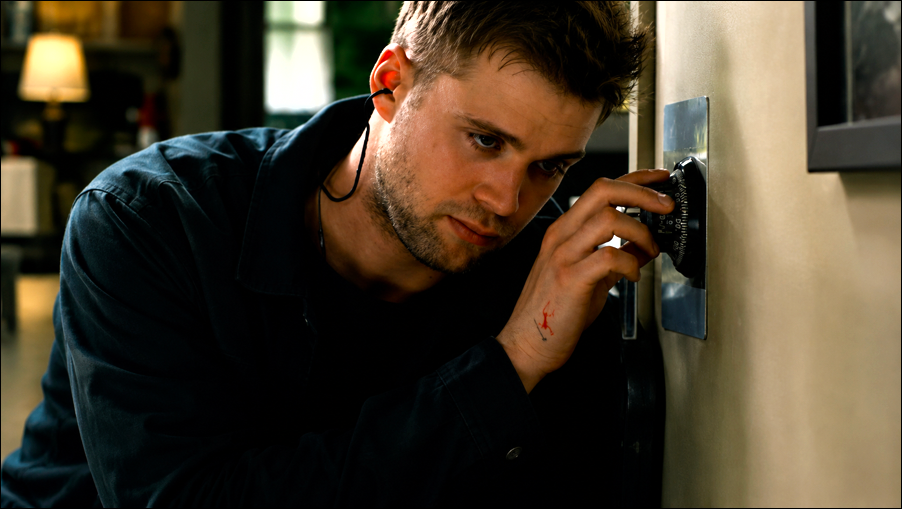
Ironically, when Niki first meets Ruthie, they discuss the practice of piano tuning, the aim of which is to create a perfectly pitched sound. However, he also observes that not all pianos – even the best of them – are manufactured in perfect uniformity. With 88 keys in play, there’s bound to be at least one that doesn’t measure up to the others in terms of its sonic resonance. So, because of that, the trick in effectively tuning a piano is to create the impression of harmony out of “inherent imperfection.” It might not be easy, but it is possible. But how?
This is where the skill of the tuner comes into play, and Niki is obviously quite adept at it. But can he apply the same principle to his own life given the scenario that he’s set up for himself, especially since he’s the one who got himself into these circumstances? Much depends, of course, on how he views the situation – specifically what he believes about it. That’s crucial considering the role that our beliefs play in how our existence unfolds, the philosophy that makes such outcomes possible. While it’s impossible to say for certain whether Niki’s ever heard of this line of thinking, his insights about piano tuning would seem to indicate that he has an inkling about this school of thought, at least from a hypothetical standpoint. The question here, of course, thus becomes, can he make the leap of faith required to see how this rationale may be applied to a different context, namely, altering the conditions of his “imperfect” life?
The notion of “order out of chaos” or “harmony out of imperfection” are recurring themes throughout this film and on multiple levels. Every time Niki tunes a piano, for example, he’s bringing forth a harmonious sound from the instrument, even if some of its workings aren’t functioning perfectly. Similarly, as he openly acknowledges, every day that he manages to successfully get through it in spite of his hearing impairment is a personal victory over adversity. Even finding his way to a vocation where he has been able to turn his “disability” into an asset is something of a triumph.
In some ways, Ruthie does the same, as evidenced by the management of her compositional skills, transforming a disparate collection of notes into a unified finished recital piece. In fact, she accomplishes this so skillfully and creatively that it could put her in a position where she has a bright future in front of her.
Some might look at these achievements and undervalue them, suggesting that they’re just making use of their respective innate talents. But where do those talents emerge from? Indeed, how do they manifest themselves as they do? Given the outcomes they attain, it seems unlikely that they arise by random chance. They’re carefully crafted, even if it takes some time and effort to realize and yield the finished products behind them. Consequently, the legwork supporting these efforts shouldn’t be underestimated. And these results inherently involve a great deal of belief work to birth them, even if evidence if these foundational initiatives isn’t readily apparent at the outset. It takes some time for the means of manifestation to coalesce. That’s true for the materialization of virtually anything but especially so when bringing into being something that arguably has inherent flaws or challenges to be overcome.
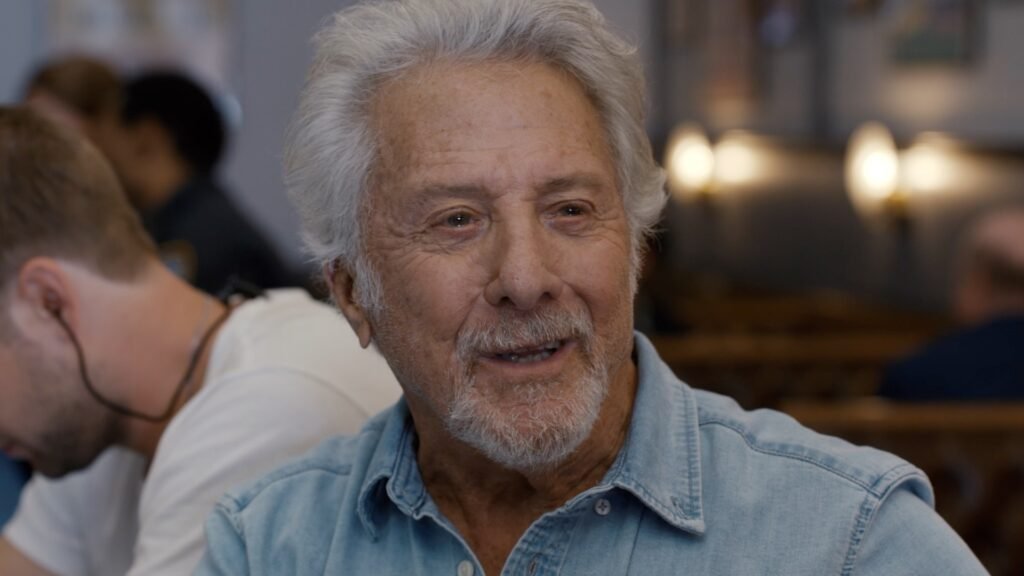
The examples that Niki and Ruthie set can serve as inspirations to any of us grappling with the kinds of challenges they face, no matter how seemingly grand or mundane the ventures in question might be. We can draw from their efforts to help us achieve the same quality of results that they do, What matters, though, are the beliefs we embrace to back these undertakings, as they essentially drive the process to conclusion.
While it’s true that we likely have an ultimate goal in mind – including a belief that this objective can indeed be achieved – it’s important that we also recognize the beliefs underlying that belief. For instance, Niki’s sought-after accomplishments are driven not only by beliefs in the attainment of the finished product, but also in ardent commitments to such concepts as personal aptitude, overcoming limitations, faith in one’s abilities and countless other intangible notions that are intrinsically essential to success. Without them, it’s hard to say what might eventually materialize – or remain a mere pipe dream.
At the same time, while it’s important to amass the right mix of underlying manifesting beliefs, it’s also vital that we understand which beliefs can undermine our efforts. The three derailing beliefs that crop up most often are fear, doubt and contradiction; they can effectively torpedo anything we might try to accomplish. Although neither Niki nor Ruthie seem particularly beset by any of these considerations, they have cause for concern for one of contradiction’s corollaries – distraction. Niki’s venture into the dark side, for example, has the potential to compromise all of his achievements. The same could be said for Ruthie in the pursuit of her romance at a pivotal point in her education, including potentially devastating unforeseen perils that might suddenly appear out of nowhere.
In light of that, then, one might wonder why anybody would consider exploring these potentially blind alleys when so much is on the line. Curiosity and temptation, of course, come to mind, but perhaps such explorations could be seen as a way of testing ourselves – just how good are we at creating harmony out of imperfection. As becomes apparent in the film, this is a notion that, for better or worse, is just as applicable to people as it is to their respective undertakings. Admittedly, this may not be the wisest course to pursue if we want to assess our personal aptitude in this area, as it could easily blow up in our faces. However, it may also make us aware of strengths that we never knew we possessed, possibly even leading to unimagined successes. Now that’s what I call hitting the right notes.
At a time when certain new releases are having praise undeservingly heaped upon them, it’s truly unfortunate when a picture that genuinely merits such attention isn’t receiving the degree of credit it’s due. However, when a filmmaker truly knocks such a project out of the park, word about it can spread quickly, and that seems to be what’s happening with this latest offering from writer-director Daniel Roher, a romantic crime thriller that’s handily one of the best new releases of 2026. There’s a lot to like here – a story that involves characters and areas of life that generally have received little attention, a smartly written script that deftly fuses an unlikely combination of genres in one package, a tautly constructed narrative that weaves its diverse story threads into a cohesive tapestry, and a picture that serves it all up with an integrally insightful undercurrent that makes the project both entertaining and meaningful. (Talk about birthing order out of chaos.)
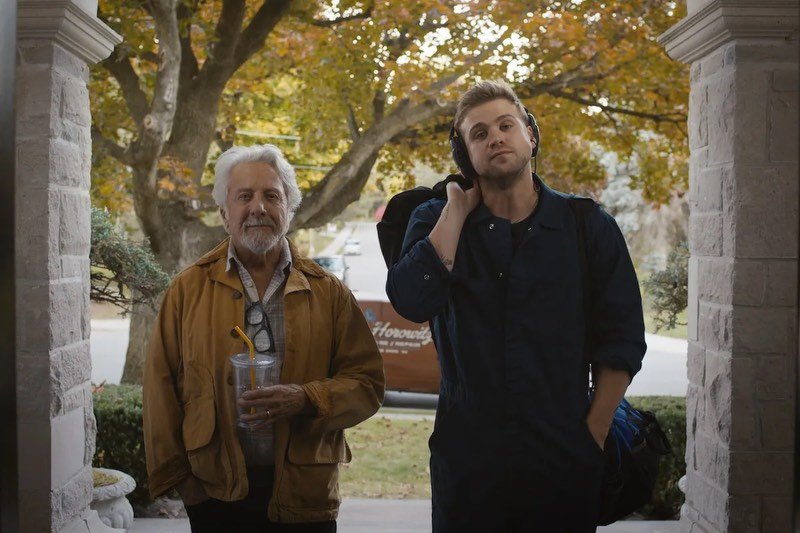
The elements driving this film deserve high praise as well. The excellent ensemble cast (particularly this breakthrough performance for Woodall and a return to form for Hoffman) is well assembled, and the performers make the most of the material they’ve been given to work with, especially in the areas of comic relief and its on-target philosophical observations. And, of course, there’s the music, which eloquently combines both original material and a collection of old favorites from multiple motifs. I seriously hope this offering is not forgotten come awards season, as it deserves the accolades it receives in many regards. “Tuner” should definitely be on the watch list of anyone who appreciates good cinema. And, if you see it, please spread the word to help the picture get the recognition it genuinely deserves. The film is currently playing theatrically.
Given the chaotic world we live in these days, it may seem like too much to hope for to see some semblance of order come out of it. Indeed, constant frustrations and setbacks can be disheartening. But, when we see what can transpire by screening a picture like this, maybe there’s hope after all, both for ourselves and the world in which we dwell. Perhaps getting harmoniously in tune with our existence isn’t as difficult as we thought it might be. And maybe the best place to start is by intently listening to our inner selves and the beliefs we hold. Just imagine what we might hear.
A complete review is available by clicking here.
Copyright © 2026, by Brent Marchant. All rights reserved.


